What are you compensating for?
Running a space mission
This week I had the pleasure of working with a client whose primary role relates to improving the technical performance of complex systems (more to follow in subsequent posts). We started the day’s training with a space mission on the interpersonal Skills «LAB»®, which, as part of the mission scenario, utilises a deliberately challenging Human Computer Interface (HCI).

That awkwardness of the HCI is the point. To succeed, teams must communicate well, share information accurately to develop team situational awareness, respond rapidly, but calmly, as the pressure builds. Following the mission, we considered how the behavioural challenges they faced translate to their work context and how these behaviours may be improved – how they, as operators can enhance their performance. This valuable session went well. A good morning's work.
The 'flip'
Now, this organisation focuses on ensuring that technical systems are optimised. Therefore, they view any need for the human to be ‘better’, in order to accommodate the poor technical performance of the system, as “compensation”. The operator needs to compensate for system inadequacies. We thus re-ran the missions, but this time focused on how the HCI could be improved.
Think about that: compensation. The need for humans to adapt, work-around or develop skills to deal with frailties in the system.
We are all compensating
That word has stayed with me all week, because I think it describes most systems of work.
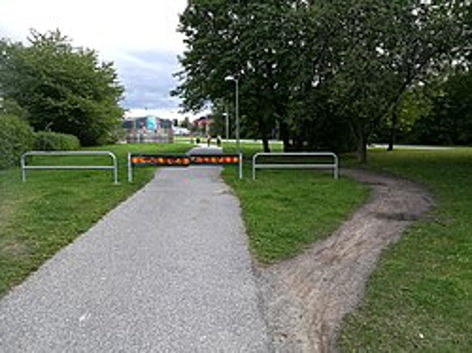
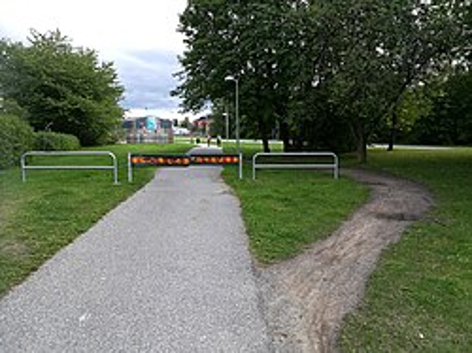
Look closely at what people do every day and a good proportion of it isn't productive work at all. It's compensation. Working around clunky software. Having to double-check because the procedure is ambiguous. Making mental or written notes because the display doesn't show what matters. Working under more pressure or for longer because the team is under-resourced, again.
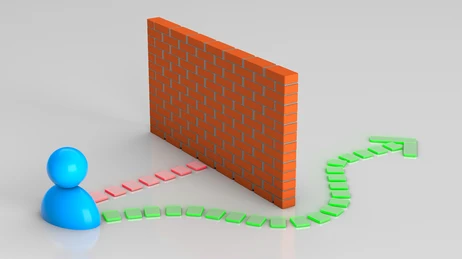
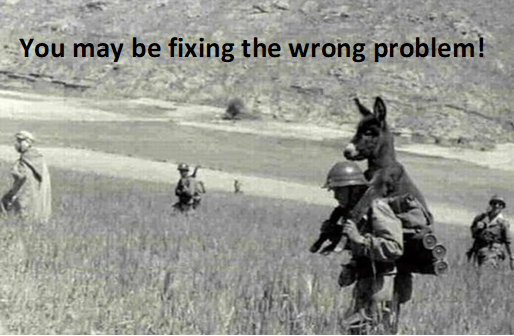
And when something goes wrong? The organisational response is often to ask for more compensation: More training; more vigilance; a reminder to care more and try harder. We berate the human for failing to cover the gap, and the gap stays exactly as it was.
Fix the problem, not the symptom
See the adaption of human performance as compensation, however, and clarity is achieved. The question is no longer, "Why didn't they try harder?", but, "What were they having to compensate for?"
That shift in emphasis moves the focus from the person to the system. Fix the interface, the procedure, the resourcing or the time pressure, and fewer compensations are needed. Fewer compensations means less to go wrong and, importantly, more available capacity for the work that actually matters. Win-win!
Don’t forget - you can't fix what you don't understand. Finding the real issues that lead to a need for compensation takes quality learning: listening to how work is actually done, not how we imagine it is done and treating every event as a window into the system rather than a verdict on the individual.
Less compensating, more learning
At Volaria, we help organisations build that learning capability. Better learning brings a deeper understanding of your system and with it improved safety, higher productivity and a stronger reputation.
If you'd like your people doing less compensating and more of their real work, get in touch with Volaria. Let's find out what your system is asking them to cover for.