Drone crashes injure members of public - call out the lynch mob!
Before we leap to judgement, let’s take a step back…
Two incidents within the last week have seen people injured by drones, that fell, out of control.
Incident 1 - Drone crashes onto boat deck. Two passengers affected
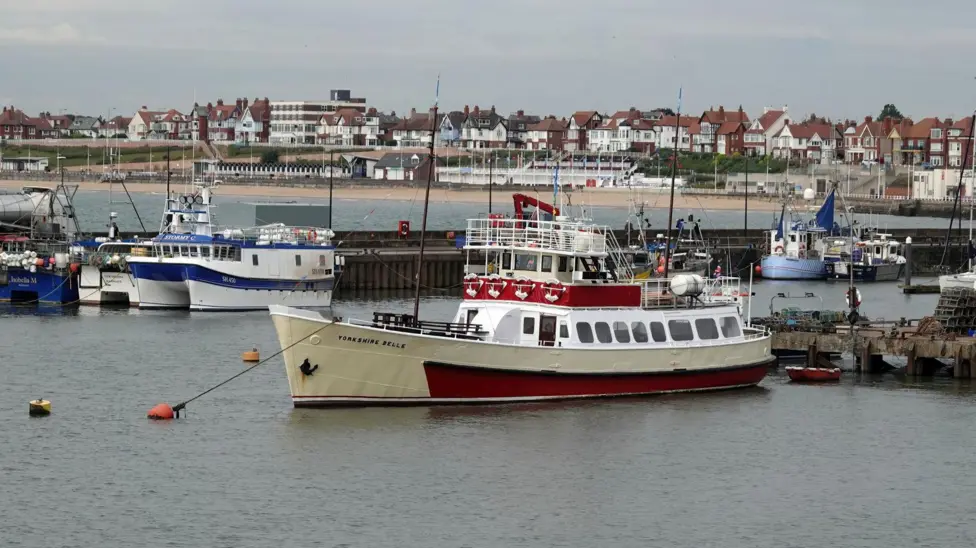
The first saw a leisure-use drone crash into a boat's mast stay and fall onto a passenger's head. Another passenger subsequently suffered an epileptic fit, linked to the continued spinning of the drone on the deck.
Incident 2 - Police drone hits cable and crashes, injuring child
In the second, a child suffered a hand injury, after a rapidly-deployed police drone impacted an overhead cable and fell to the ground.
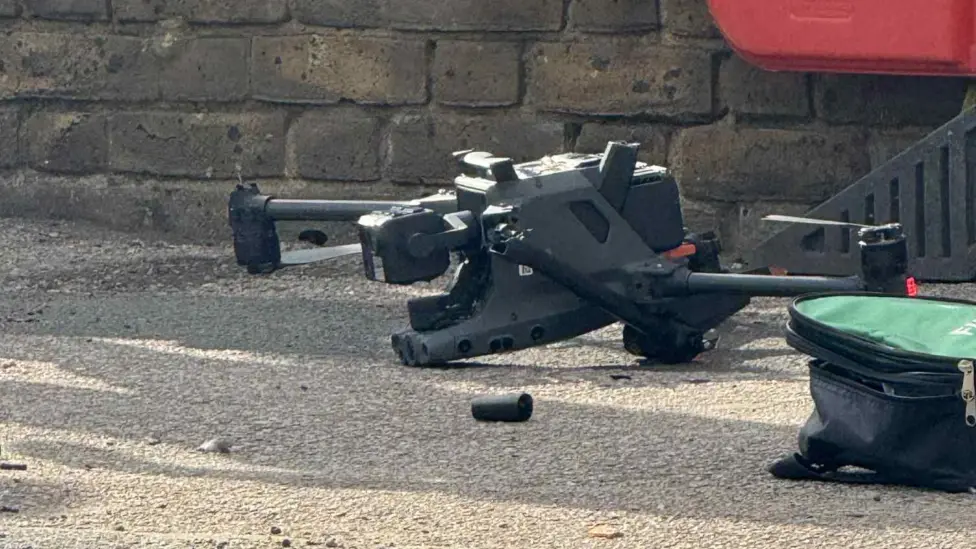
Photo by Danny Ashton-Keenan
We can respond in one of two ways:
𝗢𝗽𝘁𝗶𝗼𝗻 𝟭 - Identify the operators as "idiots" and leave it at that. Ultimately learn nothing and simply wait for the next "idiot" to come along.
𝗢𝗽𝘁𝗶𝗼𝗻 𝟮 - Rein in our emotional response and instead seek to truly learn from the events, making sense of the decisions taken and implementing meaningful actions to prevent future recurrences.
At the point in time that the operators took their decisions, it made absolute sense to them to do so. They're not "idiots", they're not "bad apples" – they're humans.
Whether you're an individual leisure operator, a small one-person company or a large drone services organisation, opportunities to learn must be treated as the 'gold dust' that they are.
So what does ‘learning’ actually involve?
It's not a five-minute chat and a "We'll be more careful next time."
It means asking why the decision made sense at the time. What information did the operator have? What pressures were they under — time, task, environment? What would need to change so that a well-intentioned, competent operator doesn't end up in the same position? That's uncomfortable. It's much easier to close the file with "operator error" and move on. But "operator error" is rarely the end of the story: it's usually where the real story begins.
This isn’t just about these two incidents
Every operator, whether leisure flyer, sole trader, police officer or enterprise operation, will have their own version of this moment eventually. A near miss, a bad decision under pressure, an outcome that could have gone very differently.
The question isn't whether it'll happen. It's whether you'll have the culture and the skills in place to actually learn from it when it does.
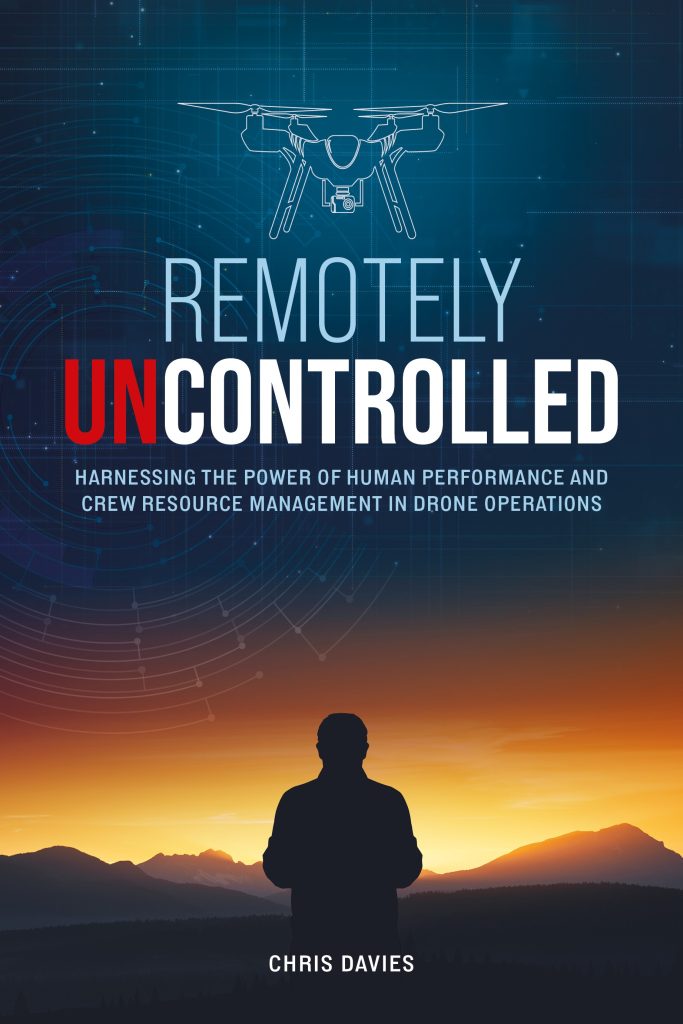
This is exactly the territory I dig into in “Remotely Uncontrolled”; how the human factors that promote and enable safe aircraft operations every day are the same ones that, under the wrong conditions, lead to moments like these. It's available now via the website, if you want to go deeper. And if you'd rather explore it with your team than on the page, this is the kind of thing we work through at Volaria, building the non-technical skills and safety culture that turn incidents like these into genuine learning, not just headlines.
Get in touch if you'd like to talk about what that could look like for your operation.